
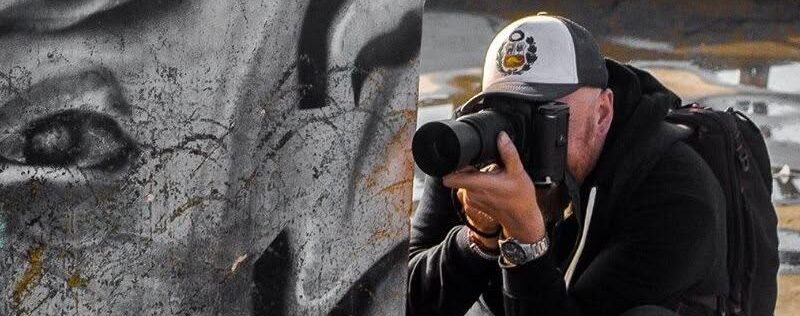
SEAG hosted a fascinating and inspiring webinar with wildlife photographer and documentarian Robert Els, who shared stunning images, personal stories, and unique insights from nearly two decades living and working in Peru.
Originally from South Africa and now based in Arequipa, Peru, Robert has spent years documenting the wildlife, landscapes, and communities of the Andes. Drawing on his work with the Quechua Benefit charity and his extensive wildlife photography experience, he gave members a rare glimpse into the lives of alpacas, guanacos and vicuñas in their natural environment.
The evening explored the extraordinary biodiversity of Peru, the relationship between local communities and camelids, and some of the conservation challenges facing wildlife in the region. Robert also shared highlights from a recent documentary project examining how human activity, including mining, has affected ecosystems and the species that depend on them.
Through breathtaking photography and firsthand experiences, Robert painted a vivid picture of life in one of the world’s most remarkable landscapes.
Key Takeaways
- Alpacas are part of a much bigger camelid family
Robert shared insights into the natural habitats of alpacas, guanacos and vicuñas, helping us better understand the environments and conditions that shaped these remarkable animals over thousands of years. - The Andes are home to extraordinary biodiversity
From high mountain plateaus to deserts, coastlines and rainforests, Peru contains a huge variety of ecosystems. These diverse environments support an incredible range of wildlife, many of which have evolved unique adaptations to survive in challenging conditions. - Vicuñas are one of conservation’s great success stories
Members learned how vicuñas were brought back from the brink of extinction through long-term conservation efforts and community involvement. Their recovery demonstrates what can be achieved when wildlife protection and local livelihoods work together. - People and animals are deeply connected
Robert’s work with rural communities highlighted the close relationship between Andean people and the animals they care for. Understanding this connection provides valuable perspective on the cultural importance of camelids throughout South America. - Conservation challenges remain
The webinar explored some of the pressures facing wildlife and fragile ecosystems, including habitat change and the impact of industrial activity in remote regions. These challenges underline the importance of balancing economic development with environmental stewardship. - Photography can tell powerful stories
Through his images and documentary work, Robert demonstrated how photography can raise awareness, inspire conservation action, and help people connect with wildlife and landscapes they may never have the opportunity to visit themselves.
Catch the Replay
SEAG members can now access the full webinar recording in the Education section of the SEAG website. Not yet a member? Join SEAG today to unlock this session and many more webinars covering alpacas, husbandry, breeding, health, conservation, and the wider world of camelids.