
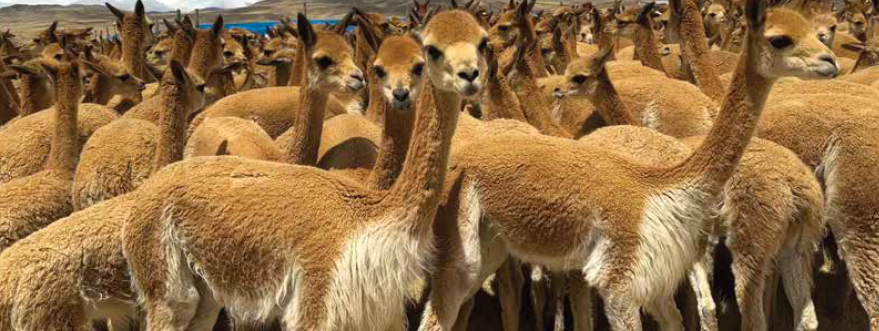

When a juvenile alpaca, be it a dainty little cria or a gawky adolescent, starts dropping weight or shows a puzzling disinterest in feed, every fibre of your experienced breeder’s intuition starts screaming. Something’s not right. But where do you start? Is it the mouth? The gut? The mind? Or perhaps the politics of the paddock?
Diagnosing feeding issues in young alpacas is a bit like detective work in muddy boots. You need a magnifying glass for the molars, a stethoscope for the stomach, a sixth sense for social stressors, and occasionally, a very large cuppa. In this article, I’ll walk you through a comprehensive but realistic approach to teasing apart the causes of eating problems in juvenile camelids, based on the thousand-yard stare of experience, a good bit of science, and a fair few dirty knees.
First Things First: Is This Animal Actually Eating?
Owners often describe alpacas as “not eating,” but once you ask a few questions, it becomes clear the animal is eating, just not what they want her to eat.
“You put out the bowls, and she ignores them?”
“Yes.”
“Does she graze?”
“Oh yes, she’s out on the grass all day.”
Aha.
The first diagnostic step is this: determine exactly what the juvenile is eating, how much, and how consistently. This is harder than it sounds, especially in a group setting. Bowls can be bossed, hay can be nibbled out of sight, and subtle shunning by the herd can mean a shy youngster simply doesn’t get a chance to eat.
Spend 20 minutes watching the group. Bring a chair and some tea. Identify who eats what, where, and when. You’d be surprised how often your “sick” cria is just low in the pecking order and can’t get near a pellet bowl without being chased off.
If the youngster is genuinely not eating, at all, that’s a medical emergency. But if she’s eating some things and not others, the hunt begins.
The Mouth: From Lips to Molars
Feeding begins at the front end, and that means examining the jaw, the teeth, and the soft tissues of the mouth. Juvenile alpacas are still developing their dental architecture, and unfortunately, sometimes that construction job goes awry.
Common Issues:
Malocclusion: Misalignment of the teeth can make chewing painful or ineffective. This is particularly common in certain bloodlines or overbred animals. If you hear odd grinding noises or see cud spit out instead of swallowed, suspect this.
Tooth root abscesses: Rare but serious. Watch for swelling along the jawline or a foul smell from the mouth.
Injuries: I once saw a cria who had bitten a bit of wire fence and cracked an incisor. She would nibble hay but wouldn’t touch hard feed. Who could blame her?
Jaw deformities or asymmetry: Some developmental abnormalities result in a jaw that simply doesn’t line up properly. These animals often adapt well on soft pasture but struggle with dry hay or concentrates.
A veterinary oral exam should be thorough—gloved fingers, a torch, and ideally a speculum or sedation if needed. Don’t skimp here. You wouldn’t diagnose your own dental problems with a selfie and a spoon.
The Esophagus and Swallowing Reflex
Once food is chewed, it needs to be swallowed. This part often goes overlooked, but neurological deficits, muscular weakness, or pain in the throat area can result in food being chewed and then… just sort of dribbled or pocketed in the cheek.
This is more likely in very weak, premature, or compromised crias, or in animals recovering from illness. Watch them eat. Do they chew but never seem to swallow? Are they coughing afterwards?
If there’s any concern here, a barium swallow x-ray under vet supervision can be diagnostic. It’s rare, but I’ve seen crias with congenital esophageal narrowing who struggled for months before the penny dropped.
The Rumen: Getting the Engine Running
Juvenile camelids, like ruminants, have a multi-chambered stomach, but they aren’t born with it fully functional. Their first few weeks rely on milk, and then gradually, the fermentation vats kick into gear. This means the transition from milk to forage and hard feed is a finely balanced biological waltz.
Red flags:
- A weaned cria not eating hay or grass enthusiastically.
- A juvenile who eats, but loses weight.
- Bloating or chronic soft stools.
These can indicate a dysfunctional fermentation process in the first stomach (the C1 compartment). Reasons? Poor gut flora colonisation (especially in bottle-fed crias), diet too low in roughage, or early weaning without support.
Juveniles should get free-choice access to top-quality hay, a small amount of camelid-specific concentrate, and grazing time. Avoid sudden dietary changes. And if you suspect the rumen isn’t functioning? A vet can confirm with pH testing of stomach contents via tube or mild palpation. Probiotics and re-seeding with adult camelid rumen fluid can help restart the process, but don’t DIY without guidance.
Parasitism: The Invisible Thief
This is a big one. Parasites are the number one cause of chronic weight loss in young alpacas. They don’t always cause diarrhoea. They don’t always cause anaemia. But they always sap nutrients and stunt growth.
Key culprits:
- Coccidia (Eimeria spp.), especially Eimeria macusaniensis
- Strongyles and other gastrointestinal worms
- Liver fluke in some grazing environments
Every juvenile with feeding issues should have a faecal egg count. If they’re not gaining weight despite eating, assume parasites until proven otherwise. Be cautious with worming products, don’t just dose and hope. Work with a vet, use faecal monitoring, and rotate pastures. Resistance is real, and we’re already behind the curve.
Infection, Inflammation, and Fever
Would you eat with a temperature of 40°C and a rattle in your chest? Alpacas are stoic to the point of self-destruction. Low-level infections, chronic pneumonia, liver abscesses, joint ill, can all cause anorexia or reduced feed conversion without obvious symptoms.
Always run a temperature on a cria with feeding issues. Do a full clinical exam. Listen to the lungs. Palpate the joints. Don’t ignore “mildly off-colour” signs.
A haematology and biochemistry blood panel can be invaluable. Look for elevated white cells, liver enzymes, or signs of chronic inflammation.
Mineral Deficiencies and Imbalances
This is the silent saboteur in many herds.
Camelids are exquisitely sensitive to trace minerals. A growing juvenile is particularly at risk. If a youngster is sluggish, not feeding well, or losing condition despite no obvious pathology, think copper, selenium, or cobalt.
Blood testing is the only reliable way to diagnose deficiencies. Remember, regional soil levels matter. Supplementation is a science, not a guess. Overdosing copper, for example, can be fatal.
Some jaw issues resolve, appetite improves, and fleece picks up, just from correcting trace mineral status. Never underestimate it.
Social Stress and Herd Hierarchy
Now for the subtle stuff. Feeding isn’t just a mechanical act, it’s a social one. Insecure crias, bullied juveniles, or timid animals can all present with feeding issues because of where and how they eat.
If the juvenile only eats when others are away, or avoids bowls even when she’s hungry, look closely at the herd dynamic. Try spreading feed across more locations, or raising bowls to reduce crowding.
In some cases, temporarily separating a struggling animal with a friendly companion can allow her to regain weight and confidence before reintegrating.
Some owners report “medical mysteries” solved with a change in herd layout, rather than with all the tests in the world.
Behavioural Aversion and Negative Associations
Bottle-fed crias, or those who’ve experienced painful or stressful events during feeding, can develop long-lasting aversions. It might be the bowl, the smell, the type of feed, or the feeding environment.
Don’t force-feed unless medically necessary. You risk creating a food phobia.
Try different bowls, flavours, heights, textures. Hand-feeding can sometimes bridge the gap, but only if the cria is calm. I once had success with a cria who would only eat if I sang “Yellow Submarine.” We don’t talk about that case.
The Gut-Brain Connection: Pain, Fear, and the Unseen
Feeding isn’t just about hunger. It’s about safety. A young alpaca under chronic stress, be it pain, fear, or environmental discomfort, may stop eating as a survival response.
Noise pollution, bad weather, bullying, or handling stress can all affect appetite. Think holistically. Would you want to eat if you were cold, scared, and sore?
Call the Vet, if your cria or young alpaca is:
- Not eating at all for more than 12 hours
- Losing weight steadily over days
- Drooling, coughing, or showing mouth discomfort
- Bloated, weak, or lethargic
- Showing abnormal faeces (especially dark, tarry, or bloody)
- Displaying signs of social withdrawal or depression
… then it’s time to call your vet.
Diagnostics may include:
- Full clinical exam
- Oral examination under sedation
- Blood work
- Faecal testing
- Ultrasound or X-rays
- Swabs for infection
- Pasture and feed analysis
Final Thoughts from the Field
Feeding issues in juvenile alpacas can feel daunting. Sometimes it’s simple, too many aunties hogging the bowls. Sometimes it’s a heartbreaking congenital defect. But more often than not, early intervention makes the difference.
Don’t wait until the ribs are showing. Don’t assume it’ll sort itself out. Observe, question, adjust, and then involve your vet with a clear set of observations and history.
After all, the goal here isn’t just survival, it’s vibrant, thriving juveniles with their heads in the hay, their eyes bright, and their future fleece soft and shimmering in the sun. And isn’t that what we’re all in this for?
Important notice: The content provided on this website is intended for general informational purposes only. These articles are not a substitute for personalised veterinary advice, diagnosis, or treatment. You should always seek the guidance of a qualified veterinary surgeon who is familiar with your animal’s individual circumstances before acting upon any information contained herein. Neither SEAG, its authors, contributors, nor any associated persons accept any responsibility or liability for any loss, damage, or injury (whether direct, indirect, or consequential) arising from reliance on the information published on this website. If you have concerns about the health or welfare of your animals, we strongly encourage you to consult your own veterinary professional without delay.