
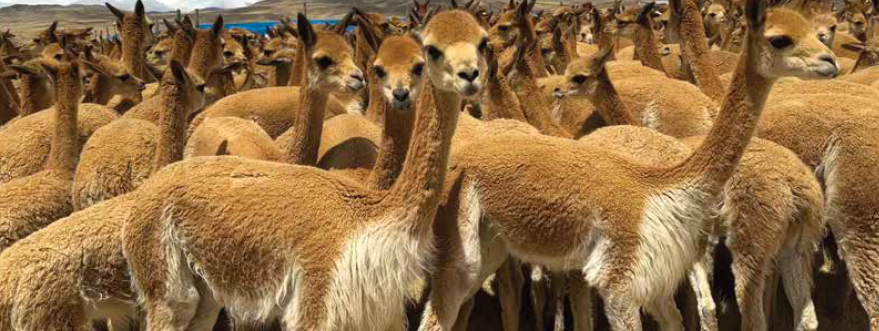

Among the many concerns that prompt alpaca owners to seek veterinary advice, feeding issues rank high on the list. Whether it’s a cria not taking to pellets, an adult turning its nose up at feed, or a gradual decline in body condition without obvious cause, these signs raise justifiable alarm. But while some feeding irregularities are fleeting or benign, others signal deeper health or behavioural problems that require thorough investigation.
Feeding issues with alpacas can be deceptively complex. Alpacas are stoic by nature, and their outward signs of illness often appear late in the course of disease. Early intervention, informed by a structured diagnostic approach, can mean the difference between resolution and long-term decline.
This article outlines when and how to escalate a feeding problem, what a vet’s workup would normally involve, and how keepers can play a vital role in early recognition and meaningful collaboration during the diagnostic process.
Feeding Issue or Feeding Quirk? Understanding the Difference
Alpacas, like people, have preferences. A sudden disinterest in a new feed, changes in weather, or minor social disruption can cause temporary dips in appetite. However, sustained or unexplained changes in feeding behaviour should never be ignored.
Key red flags include:
- Refusal to eat pellets or hard feed while still grazing
- A previously healthy alpaca that stops eating altogether
- Visible weight loss or reduced body condition despite eating
- Selective feeding (e.g., avoiding one component of a mix)
- Long feeding times, dropping food, or abnormal chewing
- Interest in food but inability to eat effectively
These signs, especially when they persist beyond a day or two, warrant a proper veterinary check-up.
In the UK climate, particularly during colder, wetter months, weight loss can be swift and dangerous. Thin alpacas have less thermal insulation and are at higher risk of hypothermia, parasite susceptibility, and secondary illness. Crias, pregnant females, and geriatrics are especially vulnerable.
A feeding issue in an otherwise bright adult might not seem urgent, but waiting too long can lead to a critical state by the time treatment begins. This is why I encourage owners to use a “three-day rule”: if feeding habits don’t return to normal within three days, and especially if condition is dropping, it’s time to involve the vet.
Initial Assessment: What the Vet Will Want to Know
Whilst the vet is diagnosing a problem, the history of the animal is often as valuable as the physical exam. Alpacas don’t always present their problems obviously, so detail matters.
Here’s what a vet will typically ask for:
- History of Onset – When did the issue start? Was it sudden or gradual? Has it worsened or fluctuated?
- Feed and Environment – What is the current diet (grass, hay, hard feed)? Any recent feed changes or new batches? Is the animal fed in a group or separately?
- Behaviour and Social Factors – Any recent introductions to the herd? Is the alpaca being pushed away at feeding time? Is it lower in the social hierarchy?
- Past Health – Recent illnesses, treatments, or dental work? Vaccination and worming status?
- Weight and body condition trends?
Having photos, feed samples, and recent weight or body scores will be extremely helpful.
Vets typically focus on the following during a feeding related visit:
- Body condition scoring (assessing muscle over the spine and pelvis)
- Oral exam (checking for dental overgrowth, ulcers, jaw misalignment)
- Palpation of the jaw, face and throat (looking for swelling, pain, asymmetry)
- Temperature, pulse, and respiration (to identify systemic illness)
- Gut fill and sounds (to assess digestive health)
- Mobility and posture (as pain can affect feeding behaviour)
- Crias may need to be gently restrained or examined while sitting, whereas adults often tolerate standing exams well with minimal handling if the environment is calm.
Depending on what the physical exam reveals, the following may form part of the check-up:
- Dental Examination and Correction
Common in: Older alpacas, or crias with abnormal jaw development.
Issues like molar spurs, malocclusion, or gum infections can make eating painful. Often, these animals chew slowly, drop food, or avoid hard feed.
If signs point to a dental issue, sedation and a thorough oral exam with a speculum may be needed, followed by floating or corrective trimming.
- Faecal Egg Count (FEC)
Common in: All ages, particularly in wet seasons or if pasture rotation is limited.
Gastrointestinal parasites, especially Barber’s Pole Worm (Haemonchus) or Trichostrongylus, can cause subclinical weight loss and poor appetite. A quantitative faecal sample helps determine parasite load and guides targeted treatment.
- Blood Tests
Useful for uncovering:
- Liver and kidney function
- Anaemia (often due to parasites)
- Trace element deficiencies (notably cobalt, selenium, copper)
- Markers of inflammation or infection
A blood profile is particularly important in cases of unexplained weight loss, lethargy, or when multiple animals are affected.
- Jaw Radiographs or Ultrasound
If the animal has persistent jaw swelling, facial asymmetry, or signs of discomfort while chewing, imaging may be necessary to rule out:
- Tooth root abscesses
- Jaw fractures
- Osteomyelitis
Tooth root abscesses are more common in the UK than many realise, especially in older males. They often present without obvious swelling until well advanced.
- Nutritional and Feed Analysis
If several animals are affected, or if a previously balanced diet now seems ineffective, a nutritional review is wise.
Test hay for energy, protein, and mineral content
Examine pellet quality, freshness, and formulation
Consider mineral imbalances, particularly low phosphorus or cobalt
In parts of the UK with known trace element deficiencies (e.g., North Wales, Devon, and parts of Scotland), regular supplementation and testing are key.
It is worth remembering that not all feeding issues are medical. Behaviour plays a significant role, particularly in crias and sub-adults. Common scenarios include:
- Bowl avoidance due to social pressure or negative experiences
- Weaning stress, especially in singleton crias
- Disinterest in pellets due to lack of early exposure
These cases often benefit from management changes:
- Feeding in a quiet corner or individually
- Using a novel bowl or surface
- Introducing feeding companions for social learning
However, it’s vital to rule out physical causes before assuming behavioural ones, especially if condition is declining.
Call your vet immediately if:
- The animal refuses all food, including hay and grass
- There is visible weight loss over a short period
- Drooling, choking, or regurgitation is observed
- There are neurological signs (e.g., incoordination, tremors)
- Multiple animals in the herd are affected
These signs may indicate esophageal obstruction, listeriosis, toxins, or infectious disease, all of which require urgent intervention.
You, as the owner or carer, are the vet’s eyes between visits. Keep the following at hand:
- A weigh band or access to a weighing scale
- A body scoring chart and records
- A log of feed intake, behaviour, and droppings
- Photos or videos of concerning behaviour
This kind of information is invaluable and often speeds up diagnosis and treatment success.
Feeding issues in alpacas should never be dismissed as quirks, especially when body condition is at stake. Whether caused by dental disease, parasites, nutrient imbalances, or behavioural barriers, these issues deserve timely attention and a structured diagnostic approach.
Veterinary professionals rely on the observations and instincts of keepers to raise the alarm early. Together, with thoughtful history taking, targeted diagnostics, and responsive management, we can help ensure feeding issues don’t become chronic or life-threatening.
The feeding trough is more than a daily routine, it’s a window into your alpacas’ wellbeing. Don’t ignore what it tells you.

Important notice: The content provided on this website is intended for general informational purposes only. These articles are not a substitute for personalised veterinary advice, diagnosis, or treatment. You should always seek the guidance of a qualified veterinary surgeon who is familiar with your animal’s individual circumstances before acting upon any information contained herein. Neither SEAG, its authors, contributors, nor any associated persons accept any responsibility or liability for any loss, damage, or injury (whether direct, indirect, or consequential) arising from reliance on the information published on this website. If you have concerns about the health or welfare of your animals, we strongly encourage you to consult your own veterinary professional without delay.